

Facial hair: laser or electrolysis?
Alexandra Gianni · Aesthetician – Cosmetologist
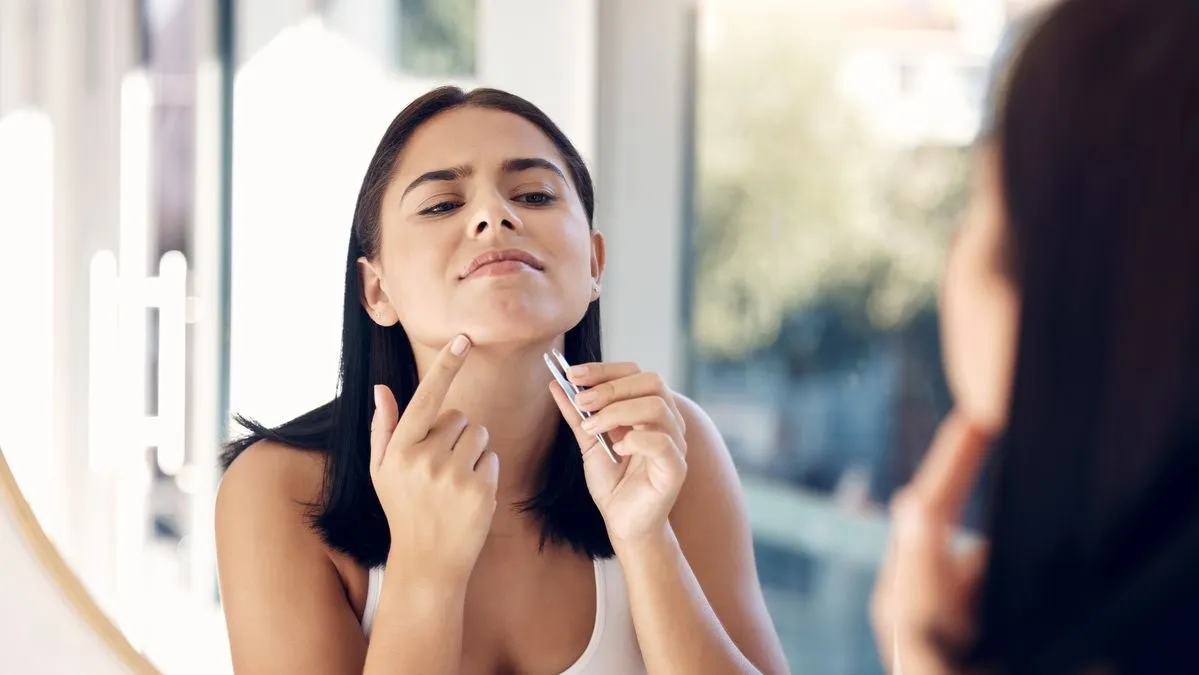
Unwanted facial hair is one of the most common concerns we deal with every day at Aestheticare.
One of the first questions we get is: “So which is better? Laser or electrolysis?”
The answer is that there is no single method that is ideal for everyone. The right choice depends on the type of hair, the area, the person's history and the goal of the treatment.
When do we choose electrolysis?
Electrolysis (permanent hair removal) is the only method that treats each hair individually. Using an extremely fine sterile probe, controlled energy is applied to the hair follicle, aiming to destroy the cells responsible for its growth.
Its most important advantage is that it can treat every hair type, even white, blonde or very fine hairs, on which laser cannot act effectively.
It is also an excellent choice for stubborn hairs in hormone-dependent areas, as well as for the few isolated hairs that may remain after laser sessions.
However, because the treatment is applied to each follicle separately, it requires more time on larger areas and may cause a mild discomfort during application.
When do we prefer laser?
Laser is the ideal choice when there are many dark hairs in an area. The treatment is performed quickly and comfortably, covering large facial areas such as the upper lip, the cheeks, the chin and the neck.
Laser targets the melanin in the hair. For this reason it delivers excellent results on dark hairs, but it cannot effectively detect white, grey or very blonde hairs.
In addition, in certain cases, such as areas with few scattered hairs or hormone-dependent areas, a careful assessment is required, as in selected cases stimulation of neighbouring follicles may be observed. That is why choosing the right method is of decisive importance.
Combining the two methods gives the best result
In practice, the best solution is often not to choose exclusively laser or exclusively electrolysis.
Frequently, combining the two techniques allows us to effectively treat every hair type, making the most of the advantages of each method.
The technology we use at Aestheticare
At Aestheticare we invest in technologies that offer high effectiveness, safety and a personalised approach.
Candela GentleMax Pro
For laser treatments we use Candela's GentleMax Pro, one of the most reliable and effective laser systems worldwide. It combines Alexandrite 755 nm and Nd:YAG 1064 nm technologies, allowing safe application on different skin phototypes and delivering excellent results even in demanding cases. At the same time, its advanced Dynamic Cooling Device protects the skin and makes the treatment more comfortable.
Apilus xCell Pur
For electrolysis we choose the Apilus xCell Pur, one of the most advanced electrolysis systems worldwide. Its advanced technology allows extremely precise targeting of the hair follicle, with high effectiveness and greater comfort for the client. It is an ideal choice for white, blonde or fine hairs, as well as for stubborn hairs that cannot be treated with laser.
The right treatment always starts with the right assessment
At Aestheticare we don't choose a treatment before assessing the skin and the hair growth.
Every case is different, and what works for one person may not be the right choice for another. That is why every treatment is preceded by a personalised assessment, so that we can design the protocol that will deliver the best possible result, safely.
If you would like to learn more about GentleMax Pro Laser Hair Removal and Electrolysis with Apilus xCell Pur, you can visit the corresponding Aestheticare pages, where you will find detailed information about the technologies, the benefits and the indications of each treatment:
Related treatments
Tap to read more about each treatment.
Written by

Aesthetician – Cosmetologist
Founder & Skin Expert | Aestheticare
Founder of Aestheticare in Milos, she shares what she has learned through her daily work and her experience at the studio, with an emphasis on correct, evidence-based skincare.
All her articlesMore articles
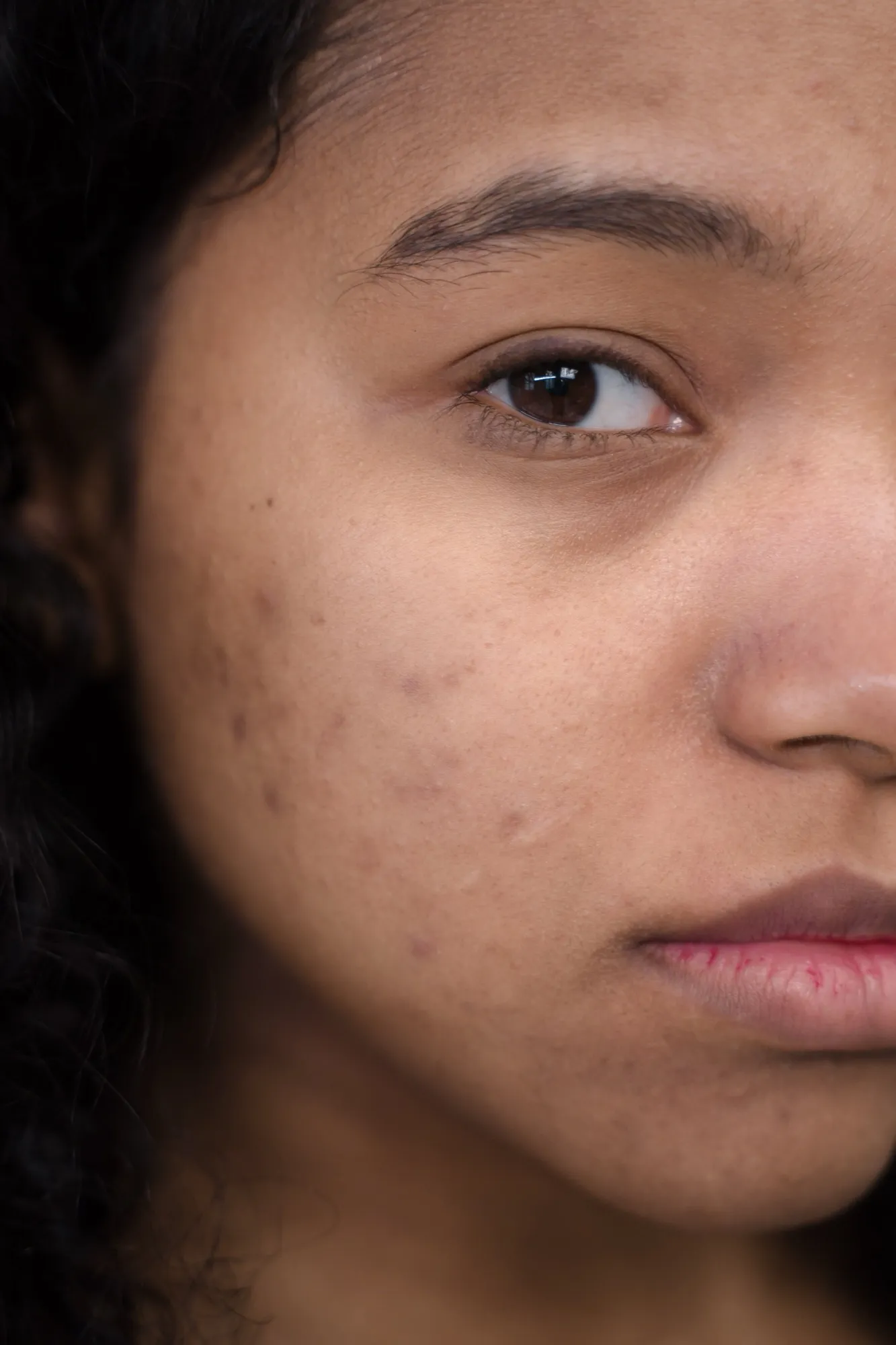
Acne, marks and scars: what stays on the skin once the acne is gone?
The acne may have settled, but redness, discolouration or uneven texture often remain. Skin after acne needs to be understood first, and treated second.
Read more
At what age should anti-ageing start?
Anti-ageing doesn't begin with the first wrinkles, but much earlier, through the right prevention and skincare.
Read more